Club Legacy Soccer Manager Player Training Guide
Turn match minutes and training sessions into higher overalls without wasting your alpha calendar.
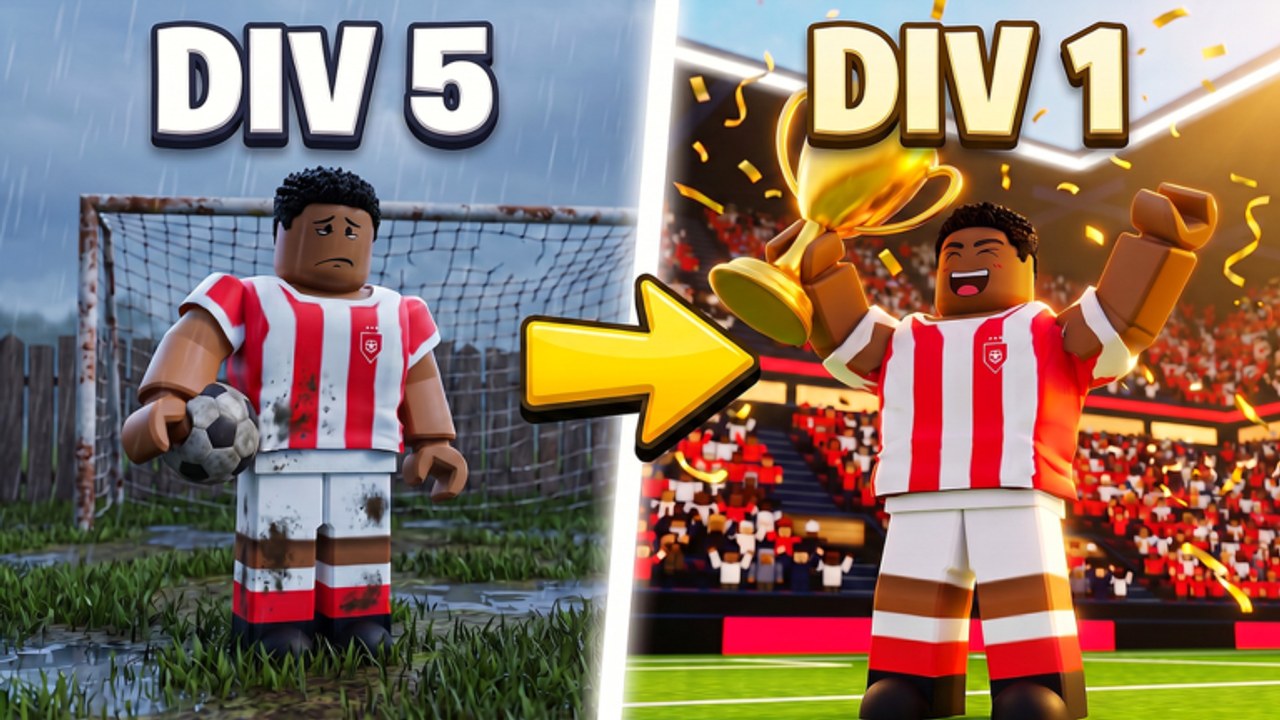
Training is the quiet engine of Club Legacy Soccer Manager. Scouting finds talent; training turns that talent into a promotion-ready XI. This guide shows how to prioritise sessions, protect stamina for live 3D matches, and align development with your formations and tactics.
Why training matters in the alpha
The official Roblox description lists train players alongside scouting and tactics. Overall gains compound across every match you play. Managers who only buy and never train fall behind clubs that steadily raise their spine.
Who gets training priority
Use the same spine logic as the tier list:
- Starting GK and CBs
- Primary pivot / holding midfielder
- First-choice striker
- High-minute full-backs
- Creators and rotational attackers
- Pure bench youth once the starters are healthy
If a player never starts, do not spend every session on them unless they are a deliberate project.
Building a weekly training plan
Match days — keep starters fresh enough to press or defend as planned. Avoid stacking heavy drills right before a ranked fixture if stamina tanks.
Between matches — focus attributes that unlock your tactic package:
- High press plans need stamina and work rate
- Direct passing plans need finishing and strength up front
- Possession-leaning plans need passing and composure in midfield
Exact drill names can change in alpha UIs; pick the option that clearly targets the attribute family you need.
Training and condition management
Community beginner videos emphasise player condition. Tired stars misplace presses and arrive late to duels. Rotate:
- Start your best XI when chasing promotion points
- Rest heavily minutes players with a B-tier backup
- Use substitutions late when protecting leads (see Tactics)
Condition is part of training strategy even when you are not in the training menu.
Linking training to transfers
After a signing from Scouting & Transfers:
- Drop them into the correct formation slot
- Assign a focused training plan for two cycles
- Evaluate across two matches before buying another piece
This prevents the “transfer merry-go-round” where nobody develops.
Youth development habits
- Keep 1–2 younger players in the matchday squad for cup or low-risk fixtures
- Train them consistently even if they ride the bench midweek
- Promote them when attributes cross your starter threshold
- Sell stalled veterans to fund the next wave
Automation tools on the Scripts hub often include youth and training loops — useful for AFK time, but review their targets so they do not train irrelevant positions.
Measuring training success
Track a simple notebook:
| Player | Focus | Sessions | Match impact |
|---|---|---|---|
| Starting CB | Positioning | 4 | Fewer central leaks |
| ST | Finishing | 3 | More converted chances |
| DM | Stamina | 3 | Press lasts longer |
If impact is flat after several sessions, either the focus is wrong or the formation does not use that attribute.
Common training mistakes
- Training five attackers while GK is your weakest starter
- Ignoring stamina until players collapse at minute 70
- Changing training targets every day (no attribute compounds)
- Leaving new signings untrained for weeks
- Assuming scripts alone replace a plan
Pairing training with codes and cash
When Codes drop cash or boosts, funnel them into facilities or sessions that raise S-tier roles. Free rewards are most valuable when they accelerate the spine you already decided to build.
Sample early-game training week
Day 1: Train CBs + GK after watching match film.
Day 2: Match — balanced tactics.
Day 3: Train pivot + striker.
Day 4: Match — test one tactic change.
Day 5: Rest fatigued full-backs; train backups.
Day 6: Match — protect or chase with correct package.
Day 7: Review overall gains; adjust Updates notes if a patch landed.
Related reading
- Getting Started — when to open training first
- Players — which attributes matter by role
- Scouting & Transfers — who to develop vs replace
- Tier List — priority ladder
Training rewards patience. In Club Legacy Soccer Manager, the clubs that look “suddenly overpowered” usually spent quiet sessions raising the same five starters while everyone else refreshed the transfer list.
Frequently Asked Questions
Quick answers for Club Legacy Soccer Manager managers.
Who should I train first in Club Legacy Soccer Manager?
Train starting goalkeepers, centre-backs, and your holding midfielder before luxury attackers.
Does training affect match stamina?
Heavy sessions before kickoff can leave players fatigued. Balance development days with match freshness.
Should bench players get training?
Yes, especially young projects, but not at the expense of your weekly starters’ development.
Can scripts handle training for me?
Some automation packs include training loops. Review their targets and account risks on the Scripts hub.